
Explore Houma’s Museums
If you really want to get a feel for Terrebonne Parish, don’t just drive through it. The stories here don’t just live in books or exhibits; they live in buildings and within the people who experienced them firsthand.
One of the easiest ways to tap into that is by spending a day (or a few slow ones) hopping between local museums. Each one gives you a different piece of the puzzle, whether it’s history, culture, water life, family stories or the people who shaped this part of Louisiana.
Think of it less like a checklist and more like a trail you can wander at your own pace.
Start with the stories of the people who served and protected the community.
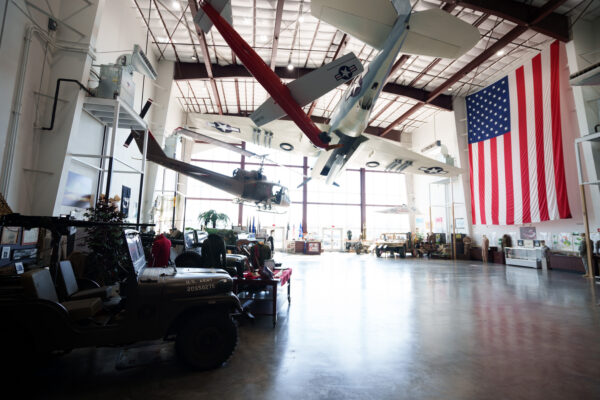
At the Regional Military Museum, you’ll find a mix of military history and personal connections that hit close to home for a lot of locals. Featuring artifacts and information spanning all the wars over the history of our country, it’s the kind of place where you realize how many people from this area stepped up and served in ways that still echo through families today. Tours are given by veteran volunteers who offer first-hand accounts of their service.
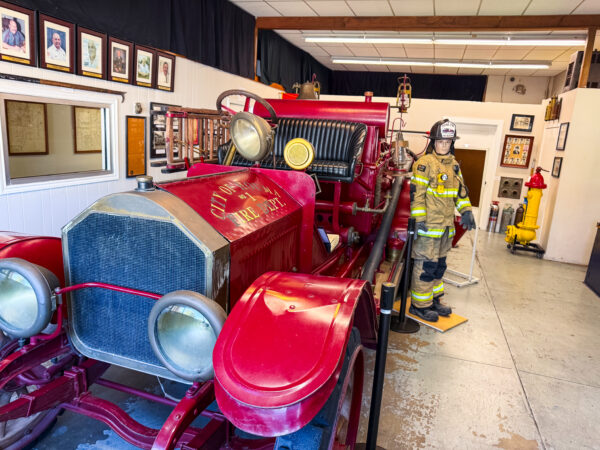
Then head downtown to the Downtown Houma Fire Department Museum, where you get a look at the history of local firefighters, vintage vehicles and equipment they used through the years. It really shows how long this community has leaned on its first responders.
Next up is where Houma’s history gets a little more personal.
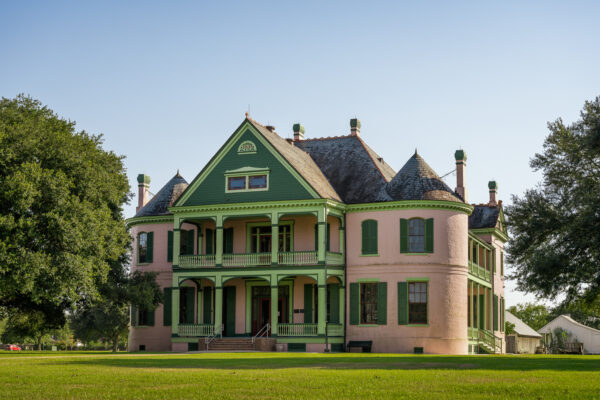
At the Southdown Plantation and Museum, you get a look at plantation-era life and the complicated history that comes with it. The house is a lasting tribute to the sugar industry, which helped to nurture Terrebonne Parish from its infancy to its present population of over 100,000 residents. Over the years, the plantation owners, managers and workers helped launch the local sugar industry, sustained it through difficult years, witnessed the cultural enrichment and progress of its boom times, and revitalized the industry from near-fatal crop disease.
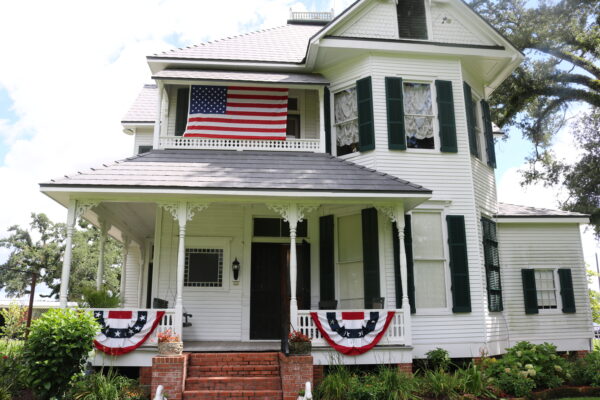
Then there’s the Residence Plantation, a historic working farm and home that offers a glimpse into our rich cultural and architectural heritage. Robert Ruffin Barrow owned sixteen farms in three parishes in Louisiana and a few large land holdings in Texas making him one of the biggest agricultural empires in the south before the Civil War. Volumnia Farm is where he made his home and is continued to run and operate by his descendants to this day making it one of the oldest family operated and owned farms.
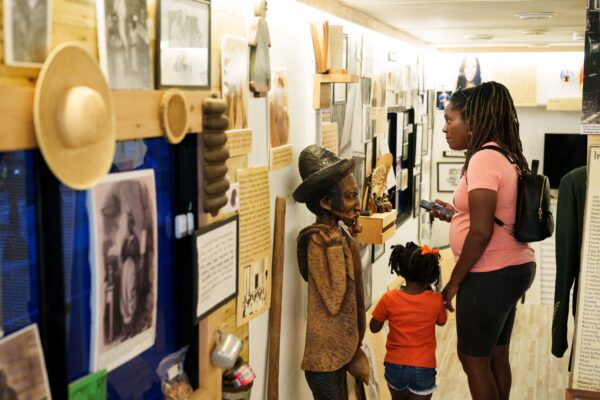
The Finding Our Roots African American Mobile Museum offers a powerful look into the history, culture and contributions of African Americans in the Bayou Region. Through photographs, artifacts and storytelling, the museum helps preserve voices and experiences that are deeply connected to the community.
If there’s one thing that really defines this area, it’s the water.
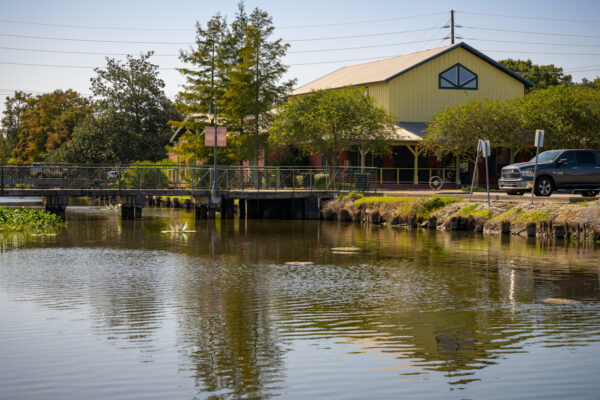
At the Bayou Terrebonne Waterlife Museum, you get a real look at how the bayou shapes everyday life with fishing, wetlands, boats, and the culture built around all of it. A monument commemorating Le Grand Dérangement, or “The Great Upheaval,” was erected at the Bayou Terrebonne Waterlife Museum in 2011 to honor the Acadian people who were expelled from Canada in 1755 and later settled in Louisiana, becoming known as Cajuns. Featuring a replica of the Deportation Cross in Grand-Pré, Nova Scotia, it was the first monument in the United States to recognize the Acadians’ journey.
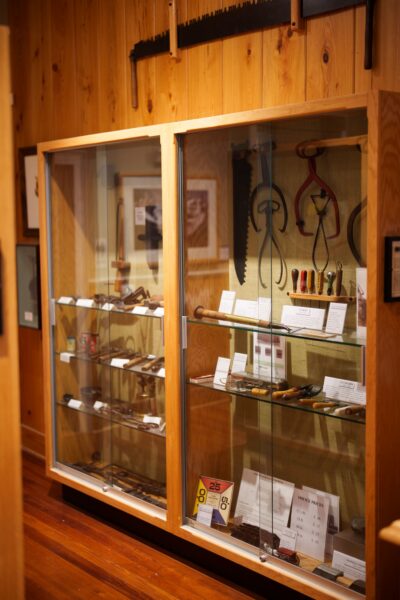
Not far from there, the Terrebonne Folklife Culture Center keeps things grounded in tradition. Music, crafts, food, festivals… basically all the things that make this place feel like this place.
The best part about our museums is that there’s no right way to do them. You can hit a couple spots in a day, spread it out over a weekend, or keep coming back whenever you’ve got time. Grab a bite downtown in between stops, walk a little slower than you normally would and let each place tell its story.